Parvo is a heartbreaking disease. No shelter wants to face it and it’s devastating for rescues already up to their necks in life-saving care. Treating an outbreak involves a major disruption of the daily schedule, with exhausting protocol for disinfection and round-the-clock care. Sadly, we’ve had our share of battles with parvo. The silver lining is that Sanctuary caregivers are well prepared. This time around, we’re trying a new preventative treatment. You can help us defeat this parvo outbreak by donating to Kitu’s Fund today!
When fighting parvo, prevention is best
Rescue Ranch follows a strict protocol for all puppies. Pups born in care or who arrive as youngsters receive their first parvo vaccines at 5 weeks, then DAPP vaccines at 7, 9, 12, and 16 weeks of age. Puppies who arrive later receive DAPP on intake, plus boosters after 14 days, then at 12 and 16 weeks. In addition, all puppies undergo a 14-day quarantine period before interacting with other litters. No puppy is adopted or transferred until they’ve had two vaccinations.
Despite our best efforts, we can’t always avoid a parvo outbreak. Most of our pups come to us from parvo-prevalent areas. Take the latest case. Last month we agreed to help a community member with an unwanted litter in exchange for them allowing us to get the mother spayed.
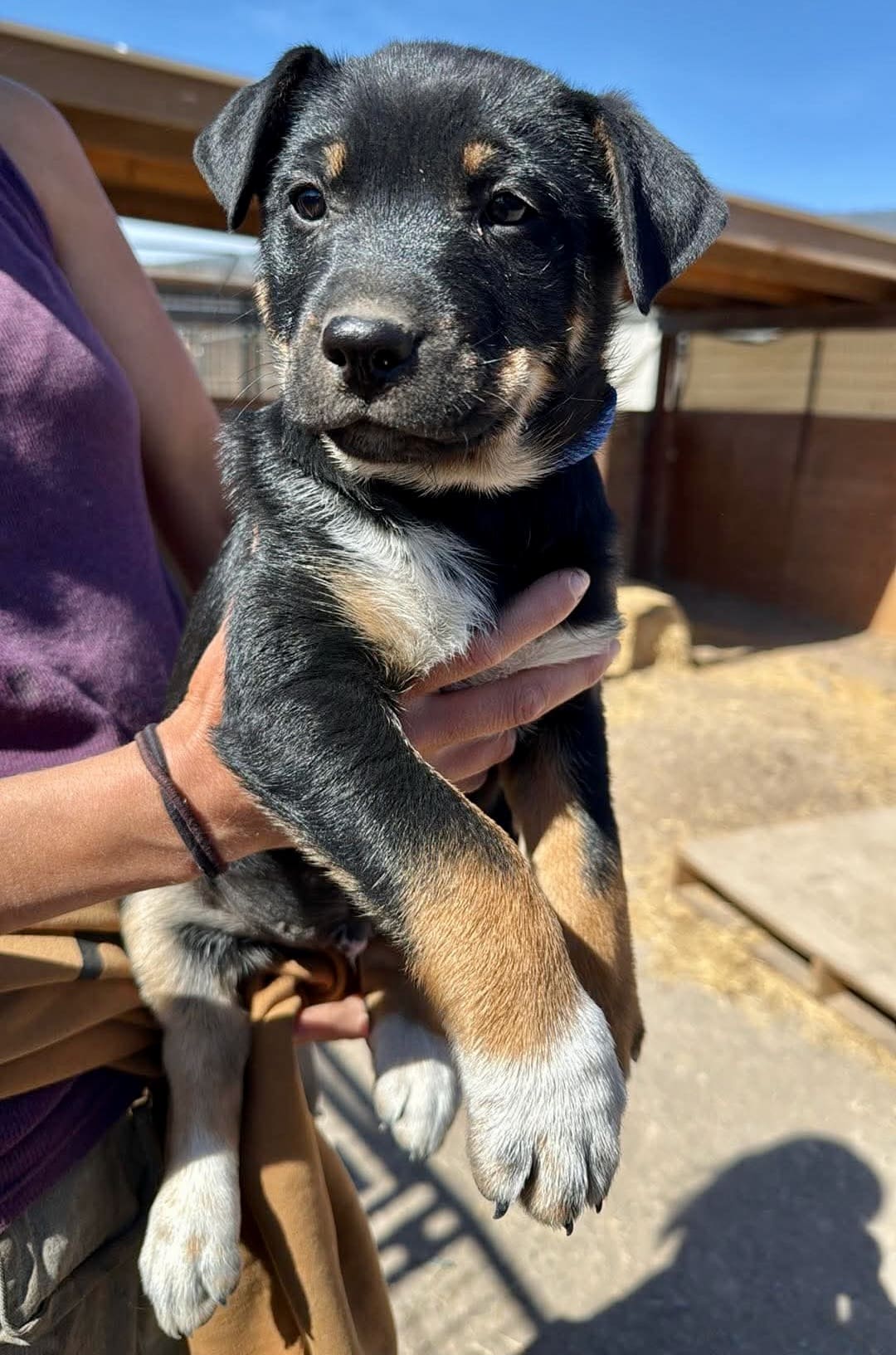
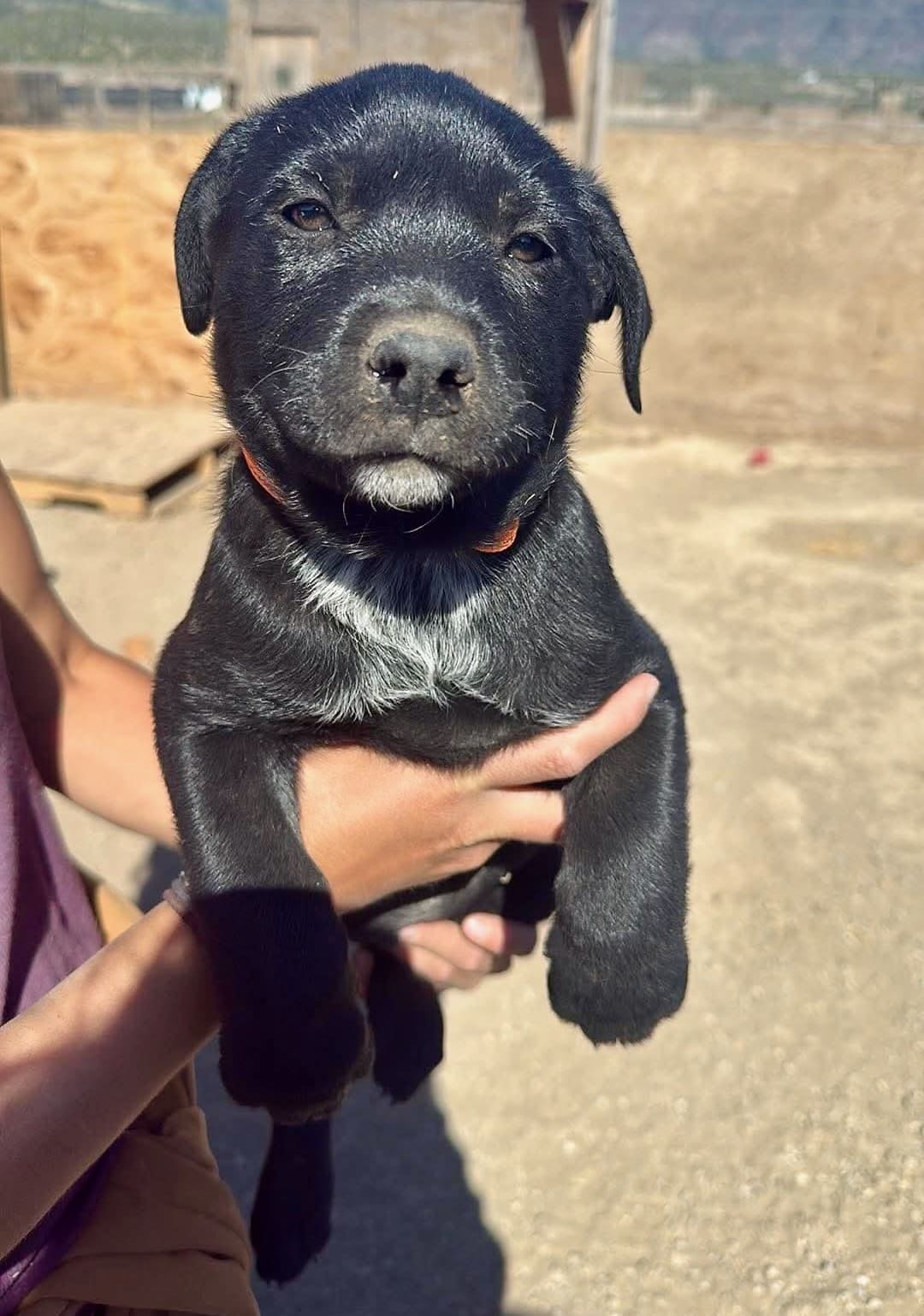
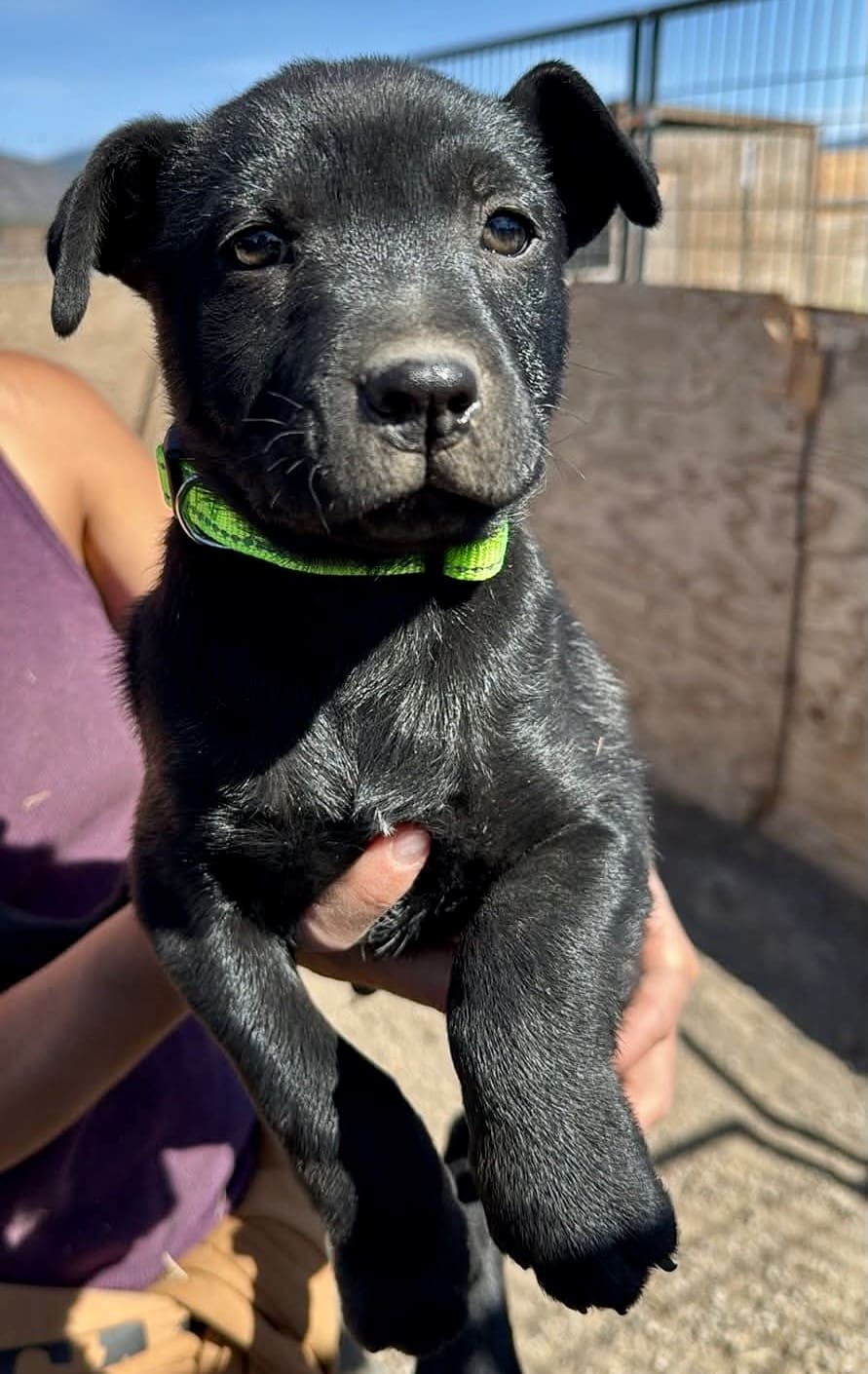
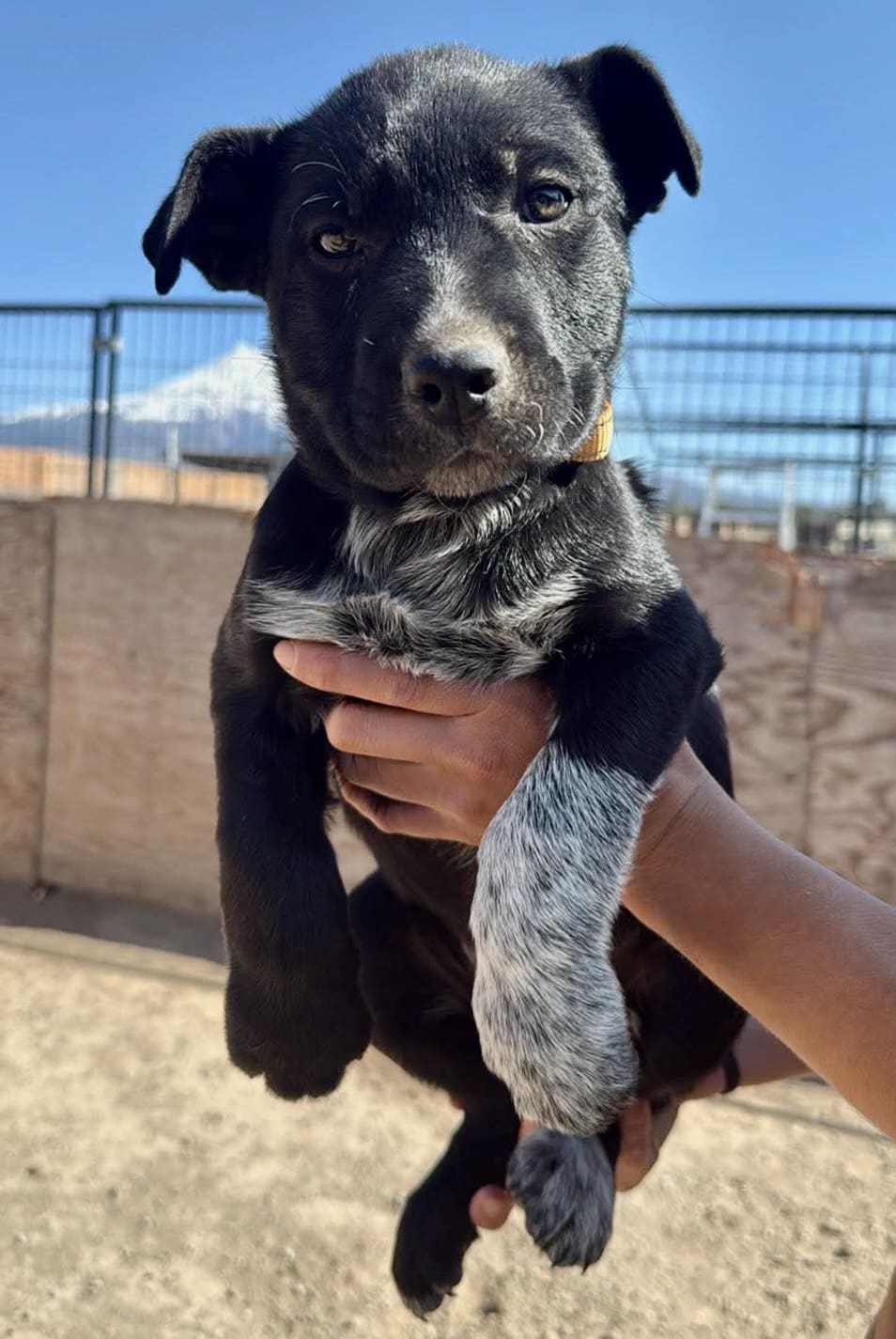
We vaccinated the pups on intake. About ten days into quarantine, the smallest puppy became symptomatic. It was the moment that makes every rescuer’s heart sink: the parvo test came back positive.
No expense spared in parvo outbreak
The puppy was immediately isolated and started on treatment. At first, little Gilman seemed only mildly ill. He had good energy and an appetite, so Sanctuary manager Laura Finley was hopeful. When his condition didn’t improve, she took him to our vet for the Canine Parvovirus Monoclonal Antibody treatment. It’s expensive: administered by weight, a single dose treats 11 lbs. and costs $300. But we’ve had good results in previous cases. Sadly, as often happens with parvo, Gilman’s condition deteriorated unexpectedly and rapidly. He passed away the following night.
Devastated, Laura had to immediately focus on Gilman’s littermates. The second smallest is in quarantine in her own home. The other eight are kenneled in two groups for quarantine.
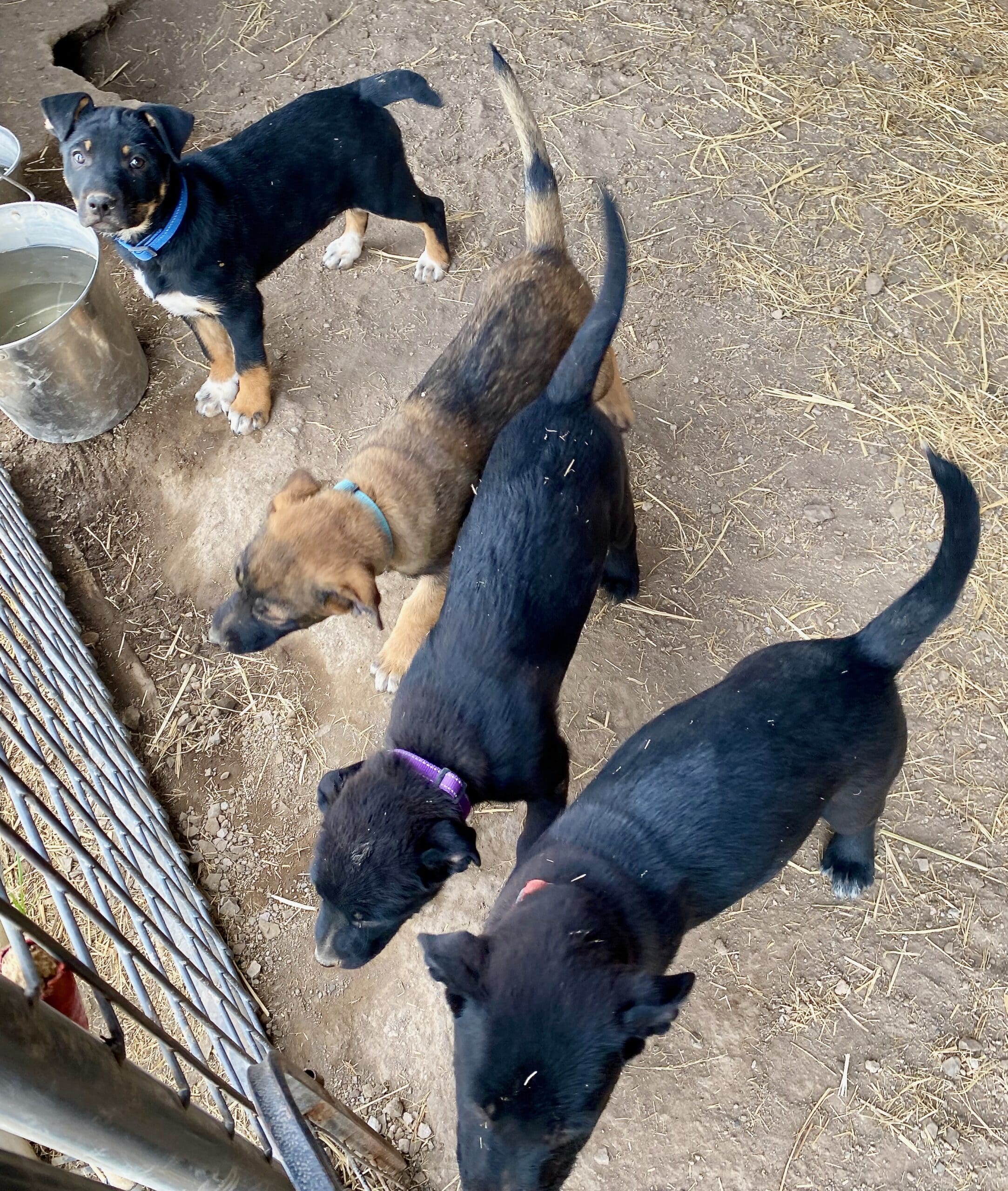
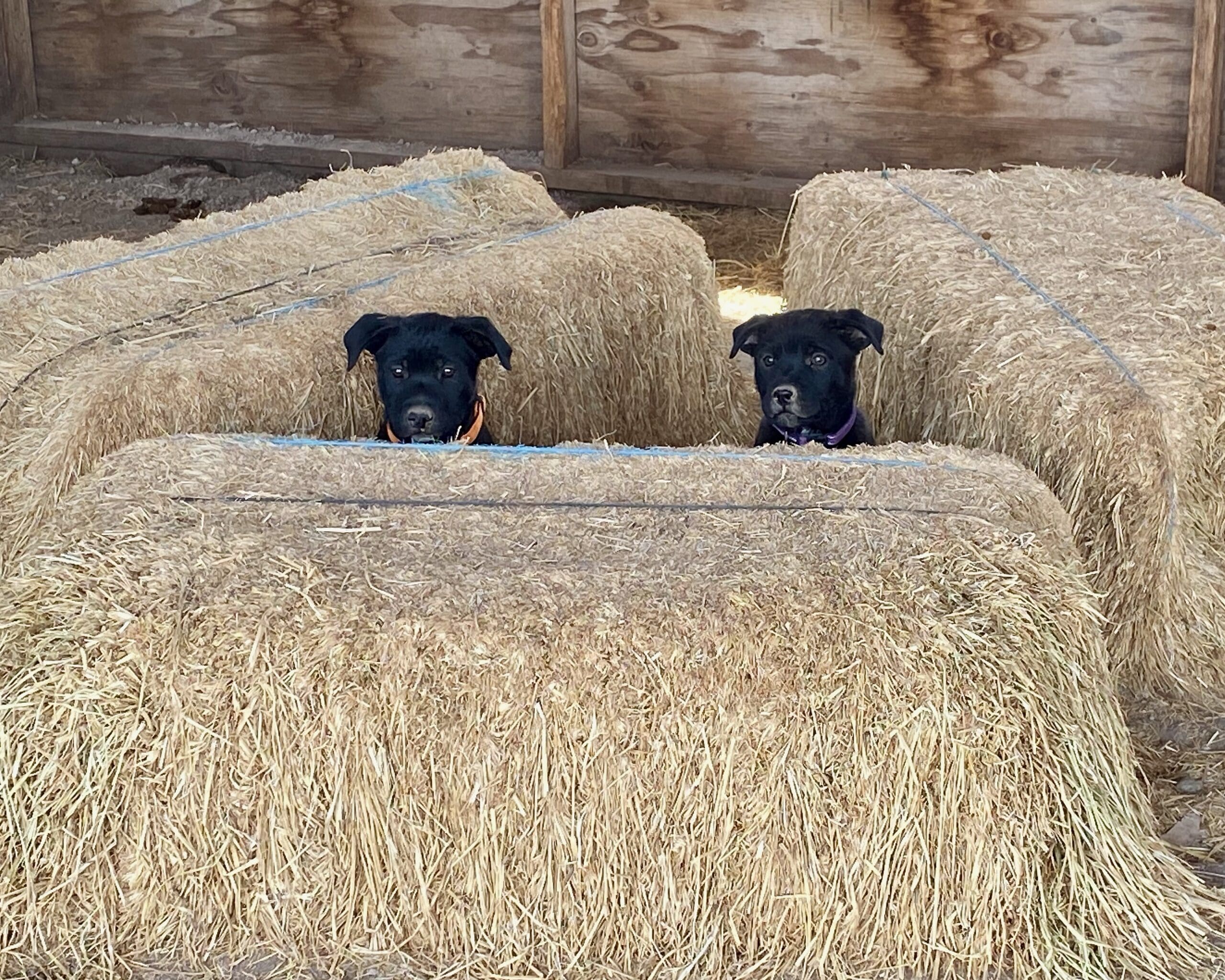
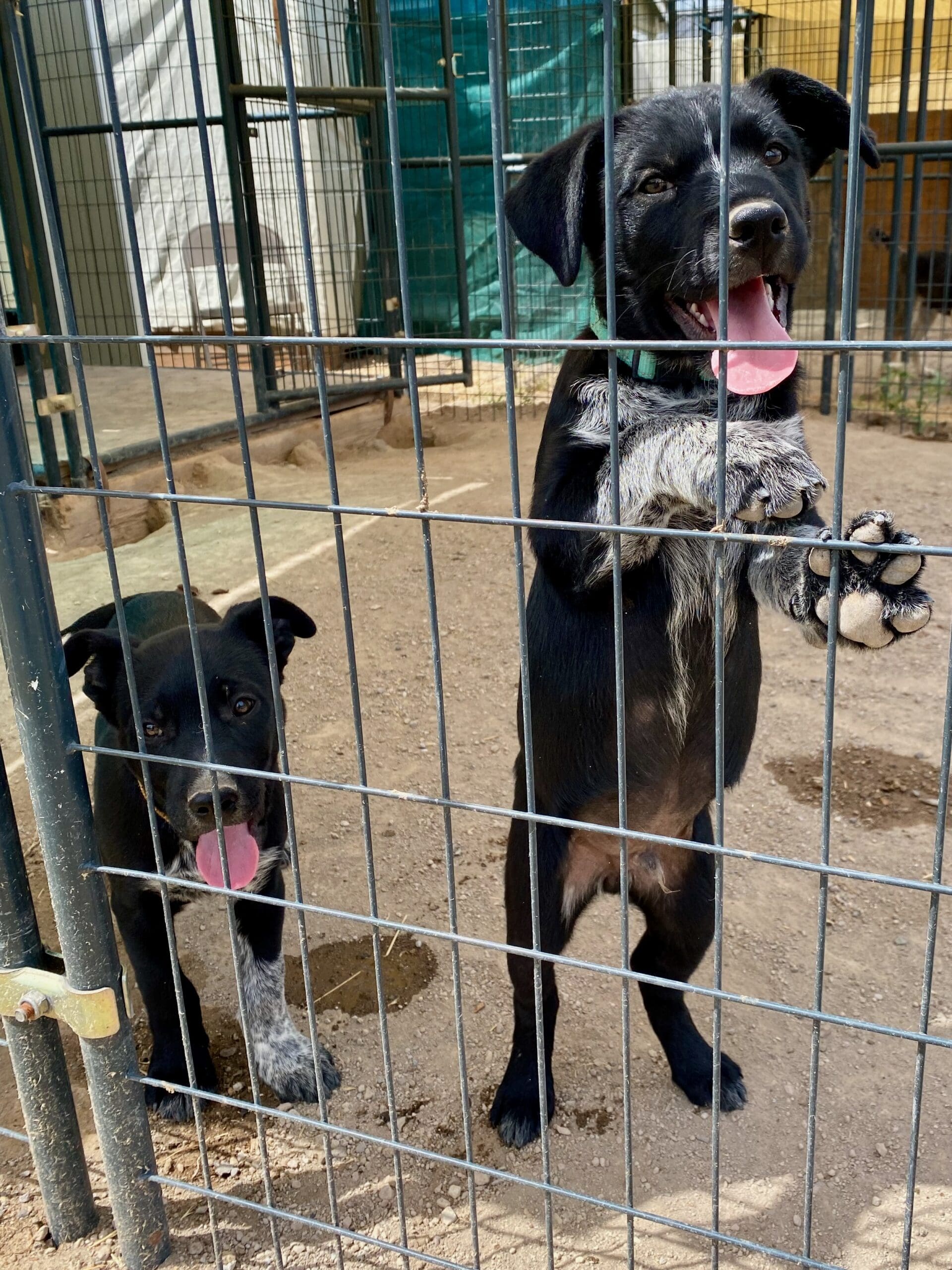
After consultation with our vet, Laura decided to try a new preventative treatment that has proven successful in cases of known parvo exposure. Each of Gilman’s siblings received a half dose of the monoclonal antibody. All told, we treated eleven pups thought to be exposed.
Help us fight parvo: donate to Kitu’s Fund today!
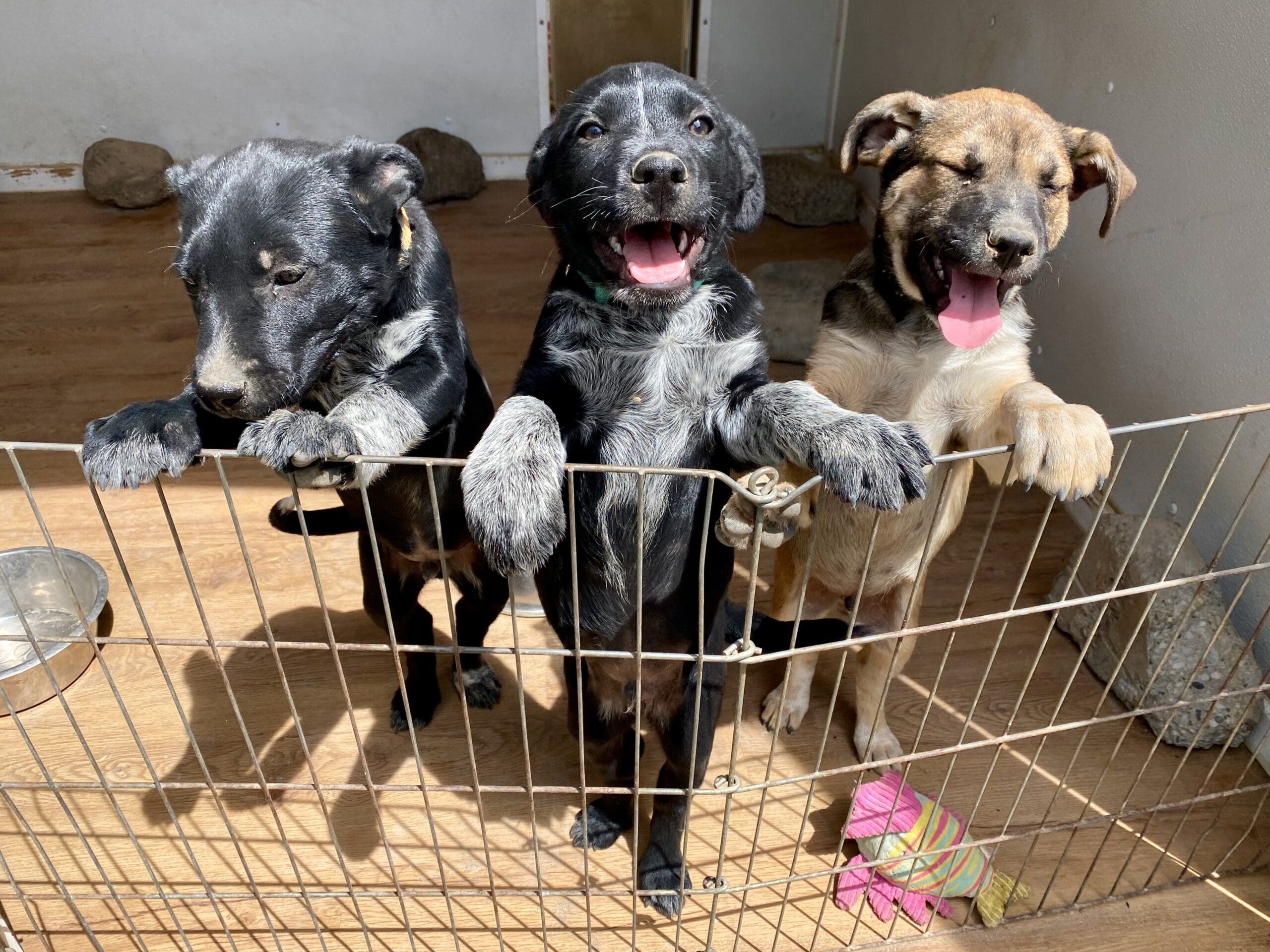
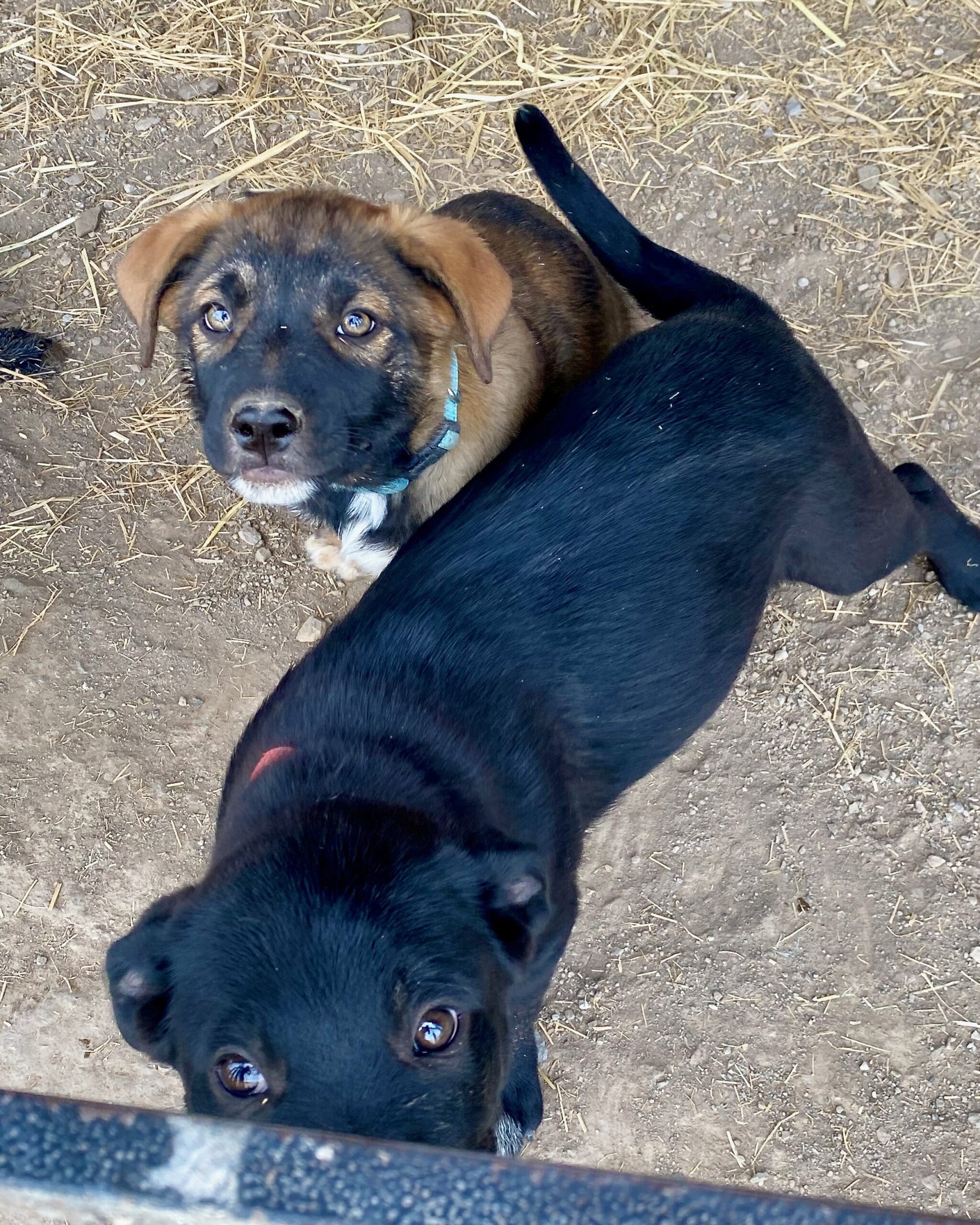
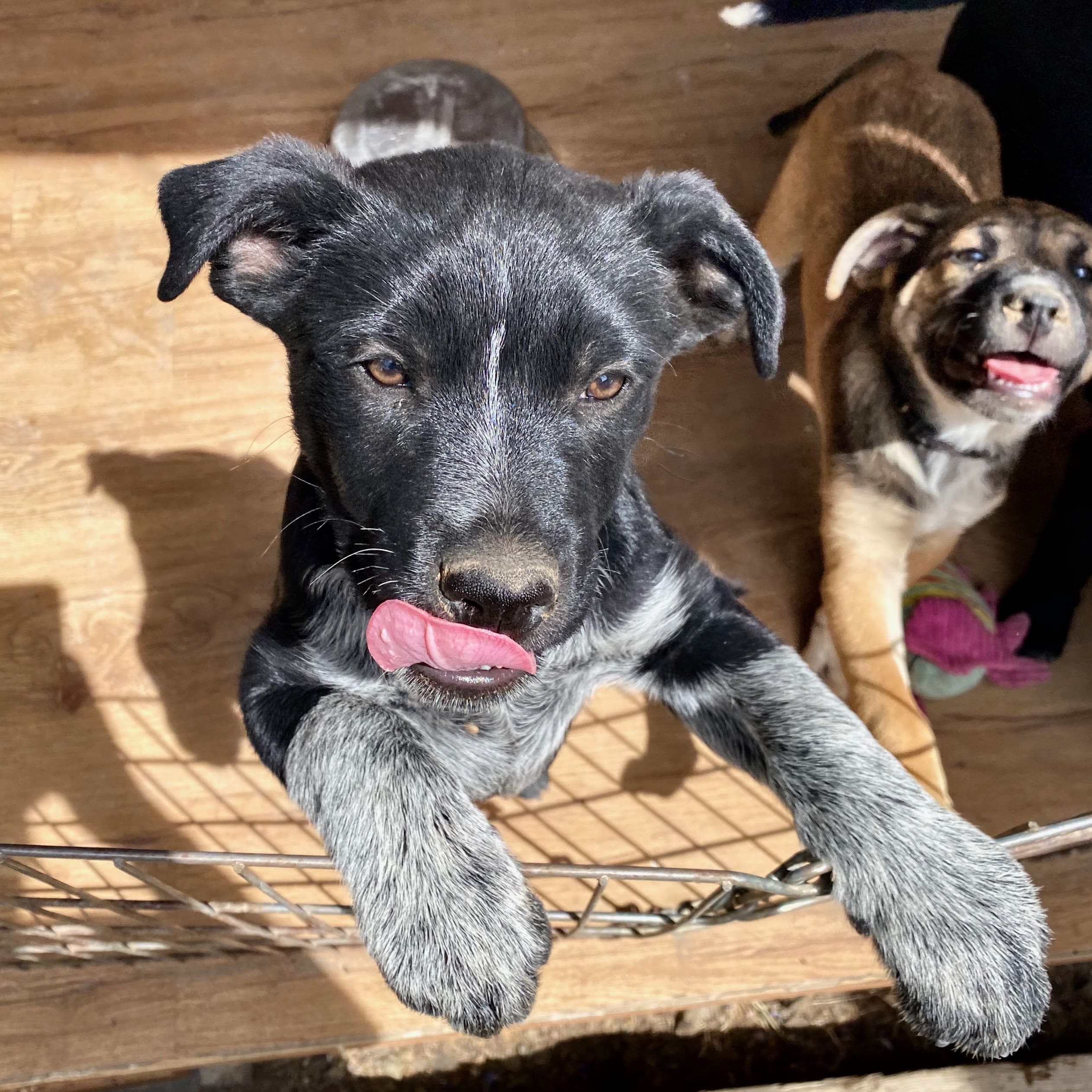
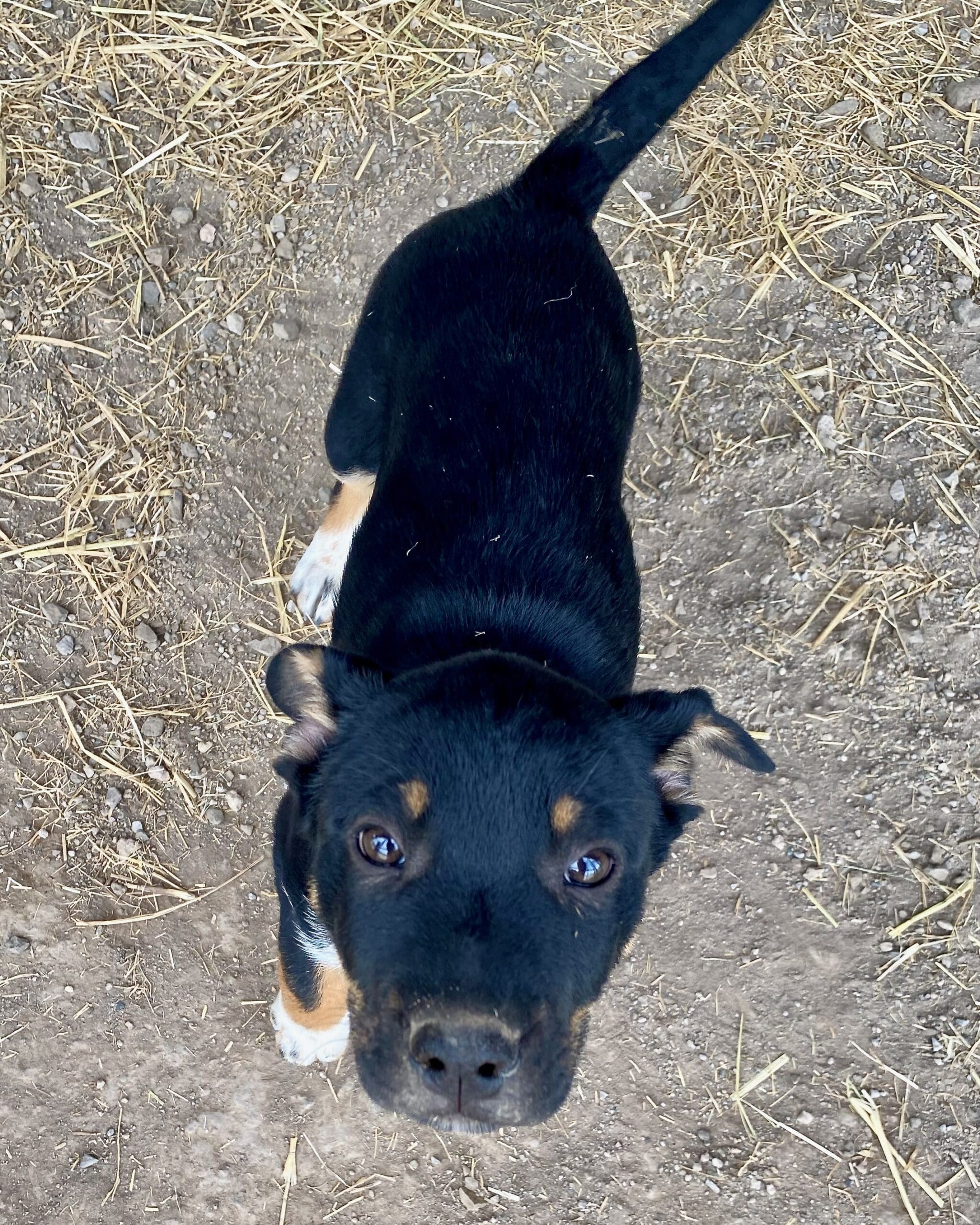
So far, Gilman’s siblings are happy and healthy. When I saw them, they were eagerly bouncing at the gate and desperate to give kisses.
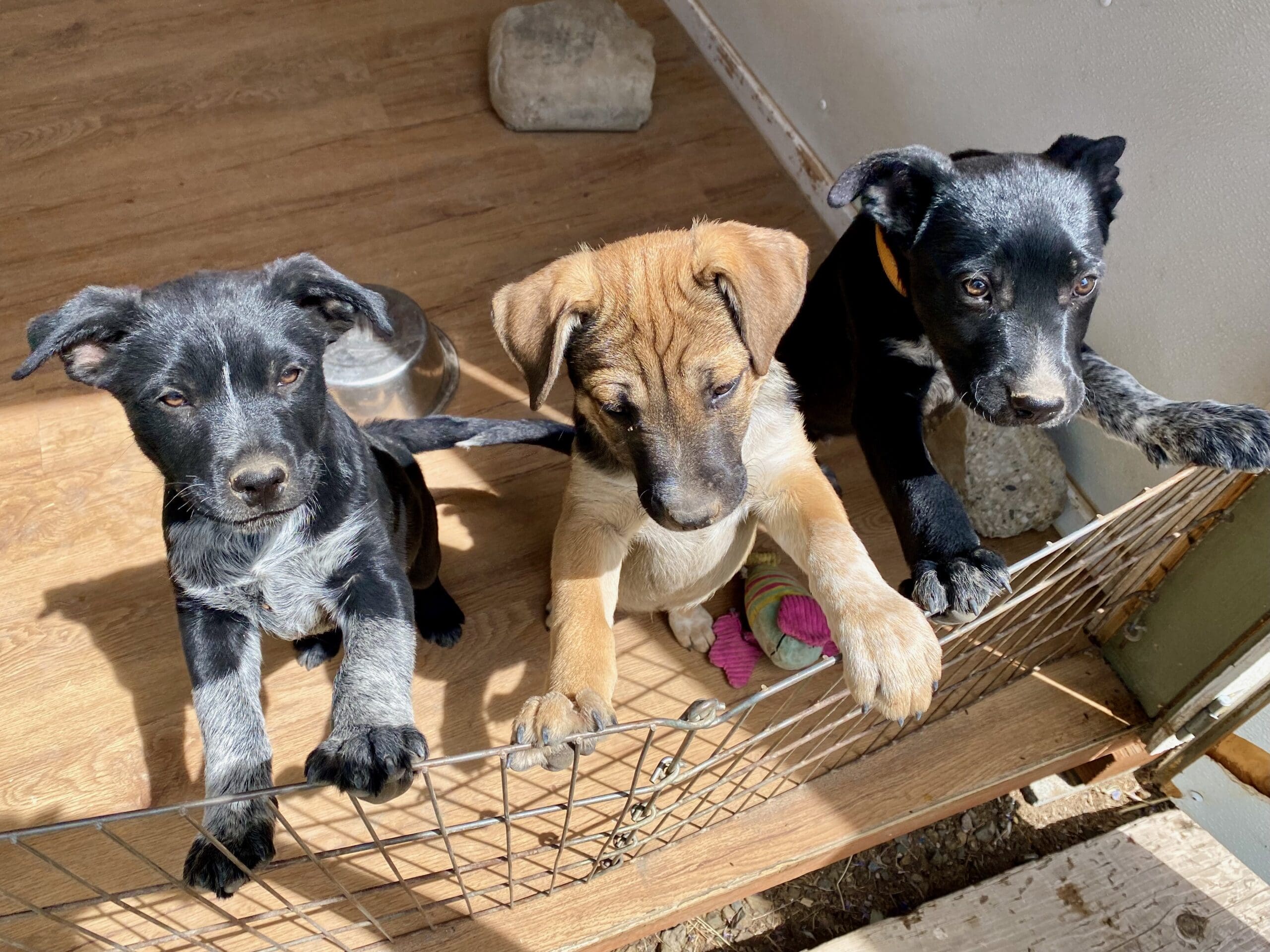
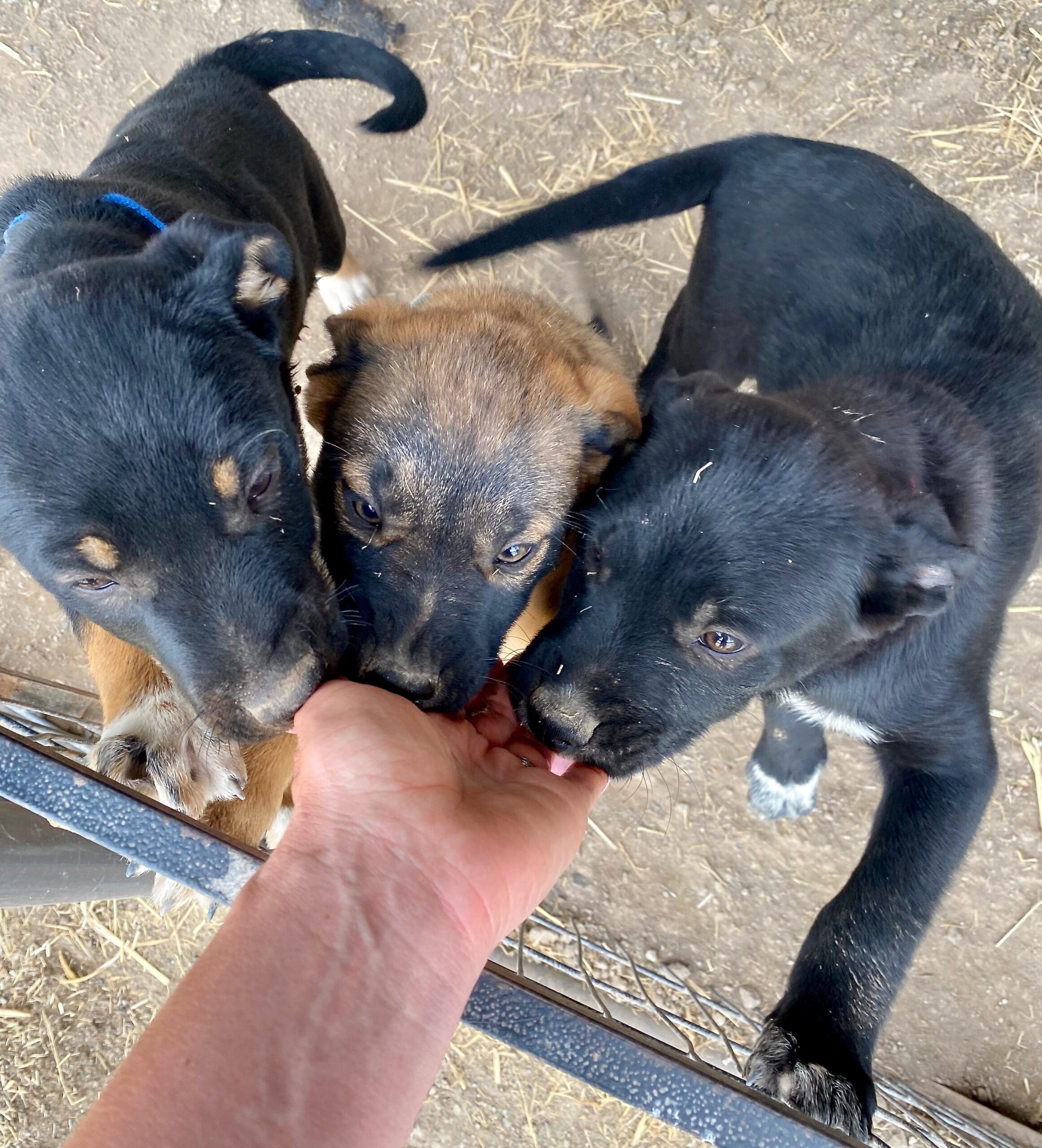
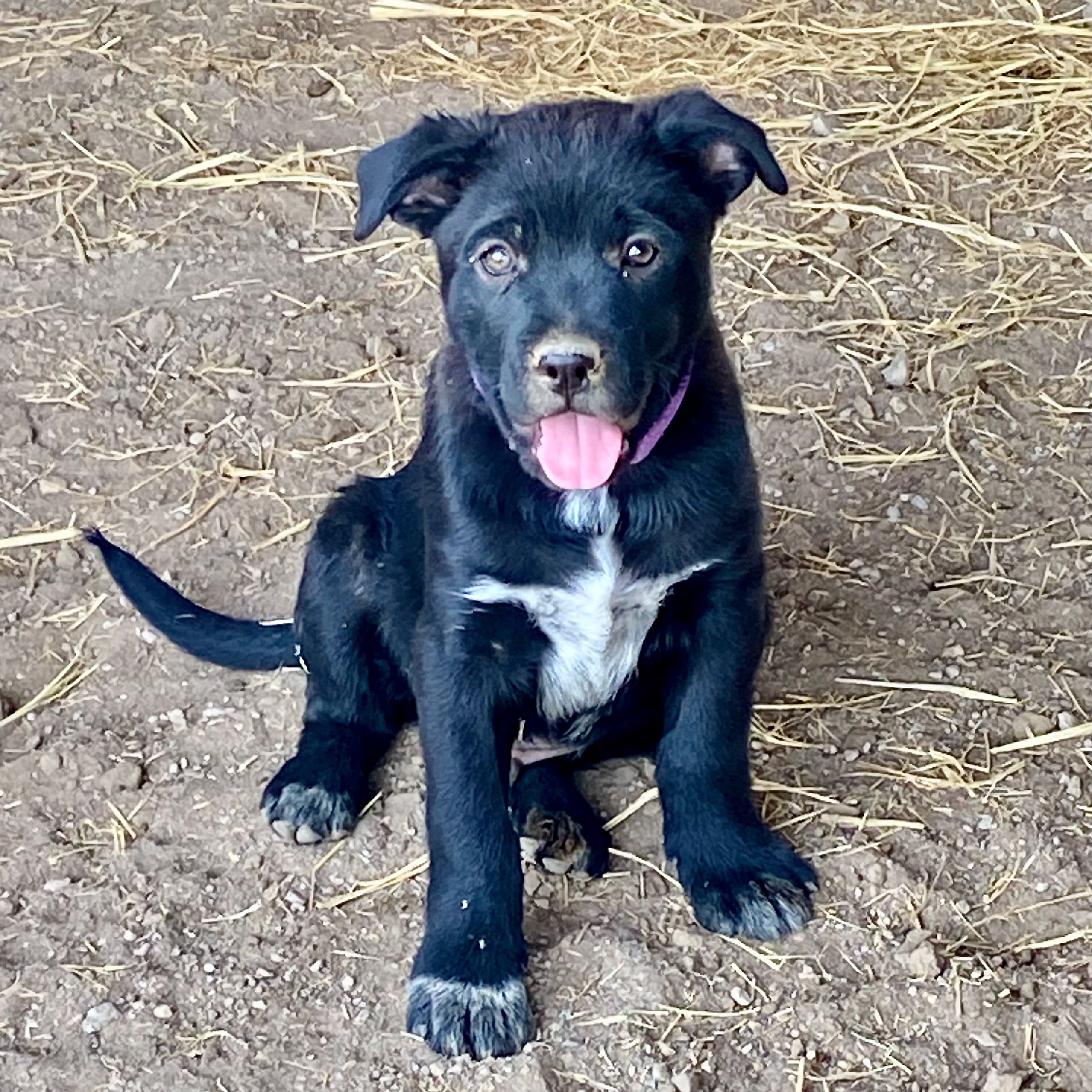
They won’t be able to meet adopters until we’re sure they’re parvo negative.
It’s been tough, but we’re determined to do all we can to beat this latest parvo outbreak. You can help by donating to Kitu’s Fund for high-cost and emergency medical care. The cost of the monoclonal antibody treatment alone comes to $2,400. Each parvo test is an additional $30.
With your help, we’ll nip parvo in the bud and give these beautiful pups the happy, healthy life they deserve.